
Understanding Pediatric Dentistry
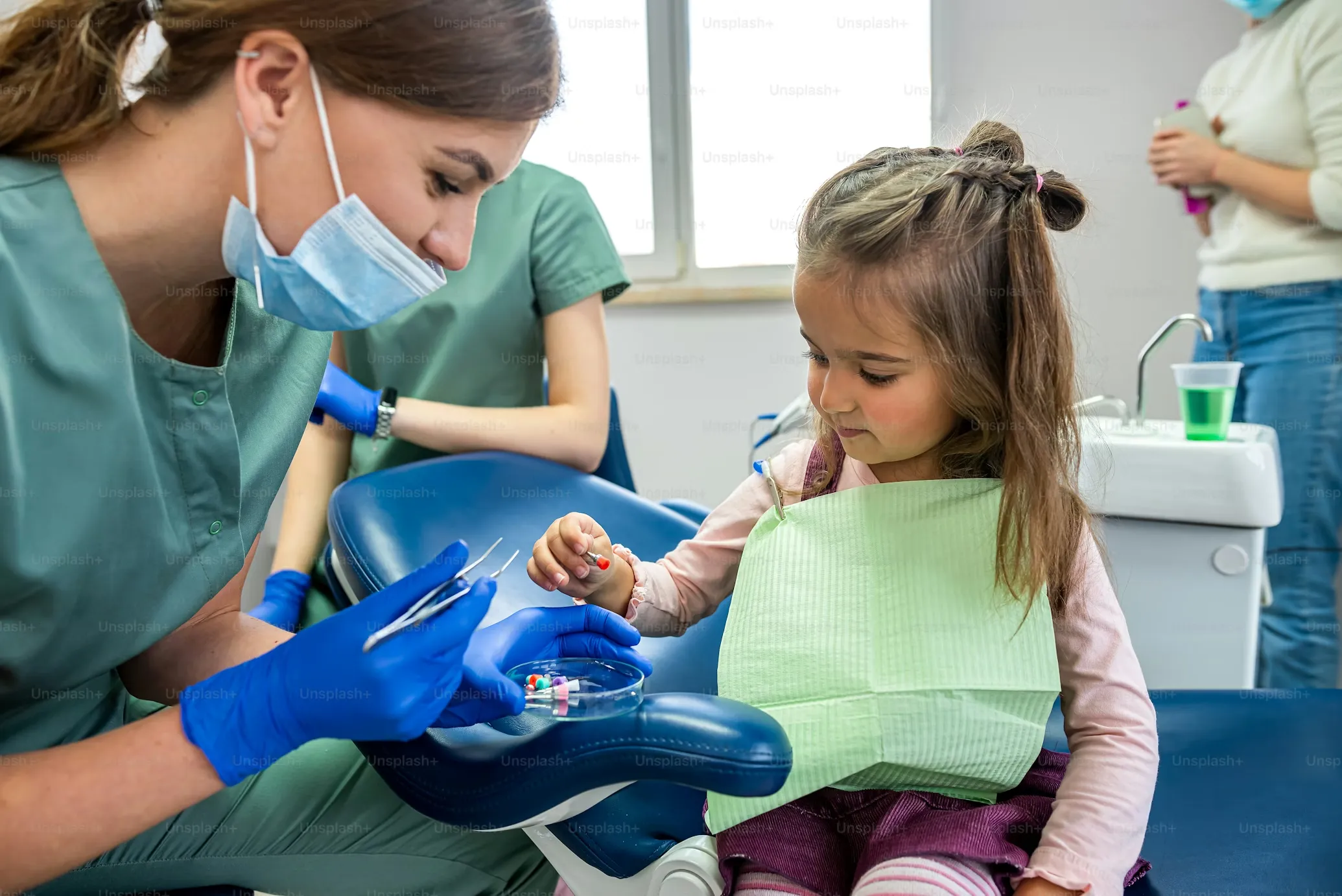
Pediatric dentistry is a specialized branch of dental care that focuses on the oral health of children from infancy through adolescence. The unique needs of young patients require a distinct approach that combines medical expertise with a deep understanding of child psychology. Pediatric dentists are trained to handle a wide range of dental issues, from routine check-ups to more complicated procedures, all while ensuring that the experience is as pleasant and stress-free as possible for both the child and their parents.
The role of a pediatric dentist is not just limited to treating dental problems but also includes preventive care and education. They are adept at teaching children the importance of good oral hygiene habits that can last a lifetime. This includes proper brushing and flossing techniques, the significance of a balanced diet for dental health, and the importance of regular dental visits.
Moreover, pediatric dentists are skilled in managing the behavior of young patients, often using techniques like positive reinforcement and distraction to make a dental visit enjoyable. This specialized care is crucial in setting the foundation for a lifetime of good dental health, making pediatric dentistry an essential aspect of overall child healthcare.
Importance of Early Dental Visits for Children
The American Academy of Pediatric Dentistry (AAPD) recommends that a child should visit a dentist by their first birthday or within six months after their first tooth erupts. Early dental visits are crucial for several reasons. Firstly, they allow the dentist to monitor the development of the child's teeth and gums, ensuring that any potential issues are identified and addressed promptly. Early detection of problems like tooth decay, misalignment, or jaw development issues can prevent more extensive and costly treatments down the line.
Secondly, early dental visits help in establishing a dental home for the child. A dental home is a place where a child feels comfortable and safe, making it easier for them to receive consistent dental care as they grow. This familiarity can significantly reduce anxiety and fear associated with dental visits, making it a positive experience for the child.
Lastly, early dental visits offer an excellent opportunity for parents to learn about proper oral hygiene practices for their children. Pediatric dentists provide valuable guidance on brushing and flossing techniques, the importance of a healthy diet, and the impact of habits like thumb-sucking on dental health. This education empowers parents to take an active role in maintaining their child's oral health.
What to Expect During Your Child's First Dental Appointment
The first dental appointment is a significant milestone in your child's life and sets the tone for their future dental experiences. Understanding what to expect can help alleviate any anxiety you or your child may have. Typically, the first visit is more of a meet-and-greet than a full-fledged dental examination. The primary goal is to make the child feel comfortable and to familiarize them with the dental environment.
During the initial visit, the pediatric dentist will conduct a gentle examination of your child's mouth, checking for any signs of tooth decay, gum issues, or developmental concerns. They may also take a few X-rays if necessary to get a better understanding of the child's oral health. The dentist will then discuss their findings with you and provide recommendations for any further treatment or preventive measures.
In addition to the examination, the dentist will spend time educating both you and your child on proper oral hygiene practices. This includes demonstrating the correct way to brush and floss, discussing the importance of a balanced diet, and advising on how to prevent common dental issues. The aim is to create a positive and educational experience that encourages your child to take an active interest in their dental health.
Creating a Fun and Comfortable Environment
One of the key factors in making dental visits enjoyable for children is creating a fun and comfortable environment. Pediatric dental offices are designed with this in mind, often featuring colorful decor, playful themes, and a variety of entertainment options to keep young patients engaged. From waiting rooms stocked with toys and games to treatment areas adorned with cheerful murals, every aspect of the office is tailored to make children feel at ease.
In addition to the physical environment, the staff at pediatric dental offices play a crucial role in creating a positive experience. From the receptionist to the dental hygienist and the dentist, everyone is trained to interact with children in a friendly and reassuring manner. They use age-appropriate language to explain procedures and answer questions, helping to demystify the dental experience for young patients.
Another important aspect of creating a fun and comfortable environment is the use of positive reinforcement. Pediatric dentists often reward children for good behavior during their visit, whether it's through praise, stickers, or small toys. This not only makes the visit more enjoyable but also encourages children to develop positive associations with dental care, making future visits less stressful.
Techniques to Make Dental Visits Fear-Free
Fear of the dentist is a common issue among children, but there are several techniques that pediatric dentists use to make the experience as fear-free as possible. One effective method is the "tell-show-do" technique, where the dentist first explains what they are going to do, then shows the child the instrument or procedure in a non-threatening way, and finally performs the procedure. This step-by-step approach helps to reduce anxiety by making the process predictable and understandable.
Distraction techniques are also widely used to keep children calm during dental visits. This can include playing their favorite TV shows or movies, allowing them to listen to music through headphones, or engaging them in conversation about their interests. The aim is to divert their attention away from the procedure and make the experience more pleasant.
In some cases, pediatric dentists may use mild sedation to help children who are particularly anxious or need to undergo more complex procedures. Options like nitrous oxide (laughing gas) or oral sedatives can help to relax the child and ensure that the procedure goes smoothly. These methods are safe and effective when administered by trained professionals, providing an additional layer of comfort for both the child and their parents.
The Role of Pediatric Dentists in Child Dental Health
Pediatric dentists play a pivotal role in the overall dental health of children. Their expertise goes beyond just treating cavities and performing routine cleanings. They are trained to handle a wide range of dental issues that are specific to children, including growth and development concerns, behavioral management, and preventive care. This specialized knowledge allows them to provide comprehensive care that addresses the unique needs of young patients.
Preventive care is a cornerstone of pediatric dentistry. Pediatric dentists focus on educating both children and parents about the importance of good oral hygiene practices and regular dental visits. They provide guidance on brushing and flossing techniques, the impact of diet on dental health, and the prevention of common issues like tooth decay and gum disease. By instilling these habits early on, pediatric dentists help to lay the foundation for a lifetime of good dental health.
In addition to preventive care, pediatric dentists are also skilled in performing a variety of dental procedures that may be necessary for children. This can include treatments like fillings, extractions, and even orthodontic assessments. They are equipped to handle these procedures in a way that minimizes discomfort and anxiety for the child, ensuring a positive experience that encourages them to continue seeking dental care as they grow.
Common Pediatric Dental Procedures Explained
Understanding the common dental procedures that your child may undergo can help alleviate any anxiety you might have as a parent. One of the most routine procedures is the dental cleaning, which involves removing plaque and tartar from the teeth and polishing them to remove surface stains. This not only keeps the teeth looking their best but also helps to prevent cavities and gum disease.
Another common procedure is the application of dental sealants. Sealants are thin, protective coatings applied to the chewing surfaces of the back teeth, where cavities are most likely to form. They act as a barrier against food particles and bacteria, significantly reducing the risk of tooth decay. The process is quick, painless, and highly effective, making it a popular preventive measure in pediatric dentistry.
Fillings are another frequent procedure, especially for children who have developed cavities. Pediatric dentists use tooth-colored composite materials to fill cavities, ensuring that the fillings blend in naturally with the rest of the teeth. The process involves numbing the area, removing the decayed portion of the tooth, and then filling it with the composite material. The aim is to restore the tooth's function and appearance while preventing further decay.
Tips for Parents: Preparing Your Child for the Dentist
Preparing your child for a dental visit can make a significant difference in how they perceive the experience. One of the most effective ways to prepare your child is by talking to them about what to expect. Use age-appropriate language to explain the purpose of the visit and what will happen during the appointment. Emphasize that the dentist is there to help keep their teeth healthy and strong.
Reading books or watching videos about dental visits can also be helpful. There are many children's books that depict characters going to the dentist, which can make the experience more relatable and less intimidating. Watching educational videos can also give your child a visual understanding of what to expect, making the unknown seem less scary.
It's also important to remain positive and calm when discussing the dentist with your child. Children can pick up on their parents' anxiety, so staying upbeat and reassuring can help set a positive tone. Avoid using words like "pain" or "hurt," and instead focus on the benefits of having a healthy smile. By preparing your child in these ways, you can help ensure that their dental visit is a positive and stress-free experience.
Finding the Right Pediatric Dentist in Ottawa
Choosing the right pediatric dentist for your child is a crucial decision that can impact their oral health for years to come. One of the best ways to start your search is by asking for recommendations from friends, family, or your child's pediatrician. Personal referrals can provide valuable insights into the quality of care and the overall experience at a particular dental office.
Online reviews and ratings can also be helpful in narrowing down your options. Look for pediatric dentists with consistently high ratings and positive feedback from other parents. Pay attention to comments about the dentist's ability to handle young patients, the friendliness of the staff, and the overall environment of the office.
Once you have a few options in mind, it's a good idea to schedule a consultation or a "meet and greet" appointment. This allows you and your child to visit the office, meet the dentist and staff, and get a feel for the environment. Use this opportunity to ask any questions you may have about the dentist's experience, their approach to pediatric care, and the services they offer. Finding a pediatric dentist who makes both you and your child feel comfortable and confident is key to ensuring a positive dental experience.
Conclusion: Promoting Lifelong Dental Health in Children
Promoting lifelong dental health in children begins with choosing the right pediatric dentist and establishing good oral hygiene habits early on. By understanding the importance of early dental visits, what to expect during appointments, and the various techniques used to create a fun and fear-free environment, parents can help their children develop a positive attitude towards dental care.
Pediatric dentists play a vital role in this process, offering specialized care that addresses the unique needs of young patients. Their expertise in preventive care, behavior management, and a range of dental procedures ensures that children receive comprehensive care that sets the foundation for a lifetime of healthy smiles.
As parents, you have the power to influence your child's perception of dental care. By preparing them for their visits, choosing a dentist who makes them feel comfortable, and reinforcing good oral hygiene practices at home, you can help ensure that your child enjoys a lifetime of excellent dental health. With the right approach, dental visits can become a positive and even enjoyable part of your child's healthcare routine.






.png)
.png)
.png)